A polished gel manicure is not defined only by colour. Two people can use the same shade and still produce very different results depending on preparation, application, shape, and finishing. Clean edges, even coverage, and thoughtful design choices often make a bigger difference than complicated nail art.
For nail technicians and enthusiasts, improving these small details can make a manicure look more refined without adding extra decoration. A professional-looking result usually comes from consistency rather than complexity.
Preparation Sets the Foundation
The appearance of a gel manicure begins before the colour is applied. Nail length and shape should be considered first so that the set looks balanced across both hands. Uneven lengths can make even a well-applied colour feel unfinished.
The nail surface also needs careful preparation. Any product used should be applied according to its own instructions, and the surrounding area should remain neat. Good preparation helps create a smoother base and makes the later stages easier to control.
Thin Layers Usually Look Cleaner
Heavy application can make a manicure look bulky, particularly around the edges and cuticle area. Thin, controlled coats are easier to manage and can help produce more even colour. They also make it easier to build intensity gradually rather than trying to achieve full coverage in one application.
This approach is especially useful with translucent and syrup-style gels, where the final depth depends on how many layers are added. Taking a little more time with several fine coats can often create a cleaner finish than using one thick layer.
Colour Placement Matters
Even when the shade is simple, precise placement can change how professional the manicure looks. Leaving the colour uneven near the sidewalls or cuticle area can make the result feel untidy. At the same time, pushing product too close to the surrounding skin can create its own problems. A steady application technique helps keep the outline consistent from nail to nail.
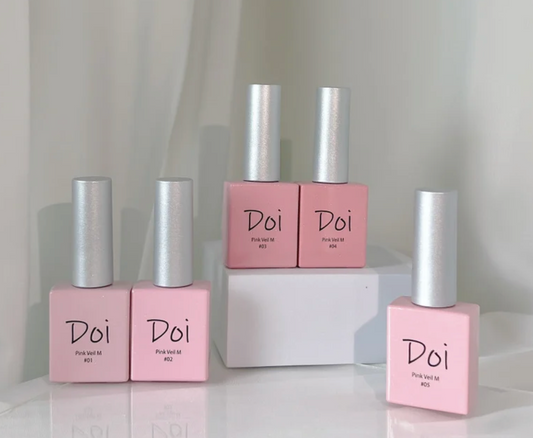
This is one reason working with Korean Nail Gel Polish can be interesting for people exploring different finishes. Sheer, syrup, magnetic, and more opaque gels may each require a slightly different approach to achieve an even result.
Shape Should Support the Design
The same colour can look very different on short square nails and longer almond nails. Shorter shapes often suit clean, simple designs because the limited surface area keeps the look compact. Longer nails allow more room for layered effects, decorative details, or colour transitions.
The important point is to match the design to the available space. A detailed pattern that looks balanced on a longer nail may feel crowded on a shorter one. In that case, reducing the number of decorative elements can create a stronger final result.
Keep Decorative Elements Controlled
Professional-looking nail art does not always require multiple techniques at once. A manicure can look more considered when one main effect is allowed to stand out. A magnetic finish, small metallic accent, fine line, or subtle glitter detail may be enough.
Using too many elements can make the design difficult to read, especially when the base colour is already strong. Limiting decoration can also make individual details more noticeable. One carefully placed accent often has more impact than several competing features.
Balance Both Hands
Symmetry does not mean every nail needs to be identical, but the overall set should feel connected. If one hand contains several bold accent nails while the other is mostly plain, the manicure may look unbalanced. Repeating colours, finishes, or small details across both hands can create a more complete appearance.
For asymmetrical nail art, there should still be some visual link between the two sides. This might be a repeated shade, matching metallic detail, or similar placement of decorative elements.
Finish Can Change the Whole Result
The final finish has a major effect on how the manicure is perceived. A high-gloss result can make translucent colours look glassy and smooth, while reflective or magnetic finishes introduce movement and depth. Glitter can add brightness, particularly when used over a simple base. The finish should complement the design rather than distract from it.
If the colour already has a strong visual effect, a simpler finishing approach may work best.
Review the Set Before Finishing
Before considering the manicure complete, it helps to look at the whole set rather than examining each nail separately. Check whether the shapes feel consistent, whether the colour intensity is balanced, and whether any decorative elements appear out of place. Small corrections at this stage can improve the final result.
This final review is particularly useful for detailed or mixed designs because it reveals whether all the individual choices work together.
Conclusion
A clean gel manicure depends on careful preparation, controlled application, balanced shape, and thoughtful use of detail. Strong technique can make even a simple colour look polished, while poor balance can weaken a more complicated design. By using thin layers, keeping edges neat, matching the design to nail shape, and reviewing the finished set as a whole, nail technicians and enthusiasts can create results that feel more refined, consistent, and professional.