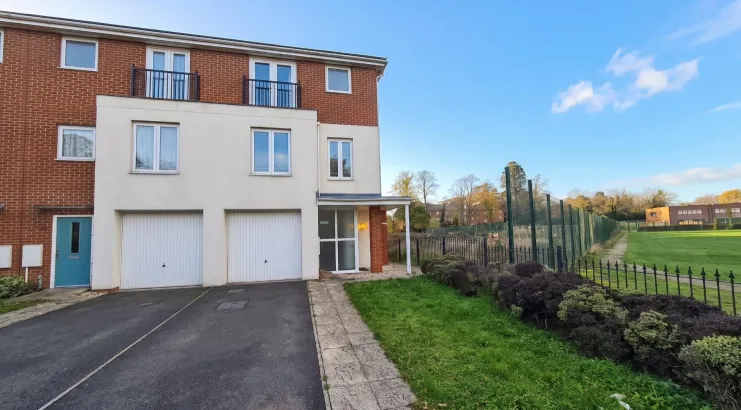
Viewing a property during winter can reveal details that may be less noticeable during warmer months. Cold temperatures, heavy rainfall and limited daylight can expose maintenance issues, insulation weaknesses and problems with heating or drainage.
For buyers exploring the local market, Hunters Wokingham can provide guidance on available properties and neighbourhood conditions. Reviewing property market insights in Wokingham can also help buyers understand local demand and make more informed purchasing decisions.
A winter viewing should involve more than assessing the décor and room sizes. It is an opportunity to understand how comfortably and efficiently the property performs throughout the colder months.
Check for Damp, Condensation and Mould
Damp is one of the first things to investigate when viewing a property in winter. Increased rainfall, colder surfaces and reduced ventilation can make existing moisture problems more apparent.
Look carefully around window frames, external walls, ceilings and corners of rooms. Black spots, peeling wallpaper, bubbling paint and musty smells may indicate moisture-related issues.
Condensation can also develop when warm indoor air meets cold surfaces. While occasional condensation is not necessarily evidence of a serious defect, persistent moisture should be investigated.
Ask the seller whether any damp treatment has been carried out and request supporting documentation where available.
Look for Signs of Poor Insulation
A property that loses heat quickly can become expensive to maintain.
Check whether external walls, loft spaces and floors have suitable insulation. Older properties may have inadequate thermal protection, particularly if improvements have not been made over time.
Pay attention to noticeably cold rooms and draughty areas.
You should also ask whether insulation has been upgraded and whether relevant guarantees or installation records are available.
Test the Heating System and Hot Water
A winter viewing provides an excellent opportunity to assess the property’s heating arrangements.
Ask the seller or agent whether the heating can be switched on during your visit. Check whether radiators warm up consistently and whether the boiler appears to operate normally.
Look for signs of corrosion, leaks or unusual noises around heating equipment.
Find out when the boiler was last serviced and whether a recent service record is available. Also check how quickly hot water becomes available.
Replacing an ageing heating system can represent a substantial expense, so understanding its condition is important.
Inspect Windows, Doors and Ventilation
Windows and doors play an important role in maintaining indoor comfort.
Check for draughts around frames, damaged seals, condensation between double-glazed panes and difficulty opening or closing windows.
Older glazing may contribute to heat loss and higher energy bills.
Ventilation deserves equal attention. Extractor fans in kitchens and bathrooms should work properly, as adequate airflow helps control moisture and condensation.
Examine the Roof, Gutters and Drainage
Winter rainfall can expose weaknesses in a property’s external maintenance.
Look for slipped or missing roof tiles, damaged flashing, overflowing gutters and visible staining around the roofline.
Blocked gutters and defective downpipes can allow rainwater to collect against external walls, potentially contributing to damp problems.
Where possible, inspect the property’s drainage arrangements and look for standing water around the foundations, patio or driveway.
Any suspected roof or drainage defects should be assessed by an appropriate professional.
Check for Structural Issues and Water Damage
Structural concerns should never be overlooked simply because a property looks attractive.
Look for significant cracks in walls, uneven floors, sticking doors and signs of previous water ingress. These symptoms do not automatically indicate serious structural problems, but they warrant further investigation.
Pay particular attention to ceilings beneath bathrooms, around chimney breasts and near external walls.
If you identify potential defects, consider commissioning a suitable building survey before proceeding with the purchase.
Assess Natural Light and Room Ventilation
Shorter winter days make natural lighting particularly important.
Visit the property during daylight hours and consider how much sunlight enters the main living areas. Rooms facing north may receive less direct sunlight, while neighbouring buildings or mature trees can create additional shade.
Notice whether rooms feel gloomy even with the lights switched on.
Also assess whether windows can be opened sufficiently to provide fresh air without compromising security or comfort.
Inspect the Garden and Outdoor Areas
Gardens can look considerably different in winter, but this makes it easier to identify certain maintenance issues.
Check whether the lawn becomes waterlogged, whether pathways become slippery and whether rainwater drains away effectively.
Look at boundary fencing, retaining walls, patios and external steps for visible damage.
If the property has a driveway, assess whether it offers sufficient drainage and whether access remains practical during wet weather.
Do not overlook outdoor lighting, particularly if you expect to arrive home after dark.
Consider the Property’s Energy Efficiency
Energy efficiency can have a significant influence on household running costs.
Ask to see the property’s Energy Performance Certificate (EPC), which provides an indication of its energy performance and recommended improvements.
Consider the condition of the heating system, glazing, insulation and hot water arrangements.
A property with a lower EPC rating may require additional investment to improve its efficiency. However, the cost and practicality of upgrades will depend on the building’s construction and existing features.
Ask the Seller Important Questions
A property viewing is an opportunity to gather information that may not be immediately apparent.
Consider asking:
- How old is the current boiler?
- Have there been any previous damp or flooding problems?
- When was the roof last inspected?
- Have the windows or insulation been upgraded?
- Are there any outstanding maintenance issues?
- What are the typical monthly heating costs?
- Have any major repairs been carried out recently?
Where possible, request supporting documents, guarantees and maintenance records.
Conclusion: Making an Informed Decision When Buying in Winter
Viewing a property in winter provides valuable insight into how it performs under challenging weather conditions. Heating efficiency, insulation, damp, drainage and structural maintenance all deserve particular attention.
Although some issues may only become apparent after moving in, a thorough viewing and appropriate professional survey can help reduce unexpected expenditure.
Look beyond the property’s appearance and consider its long-term condition, running costs and suitability for your needs. A home that remains warm, dry and comfortable during winter is more likely to provide a practical living environment throughout the year.