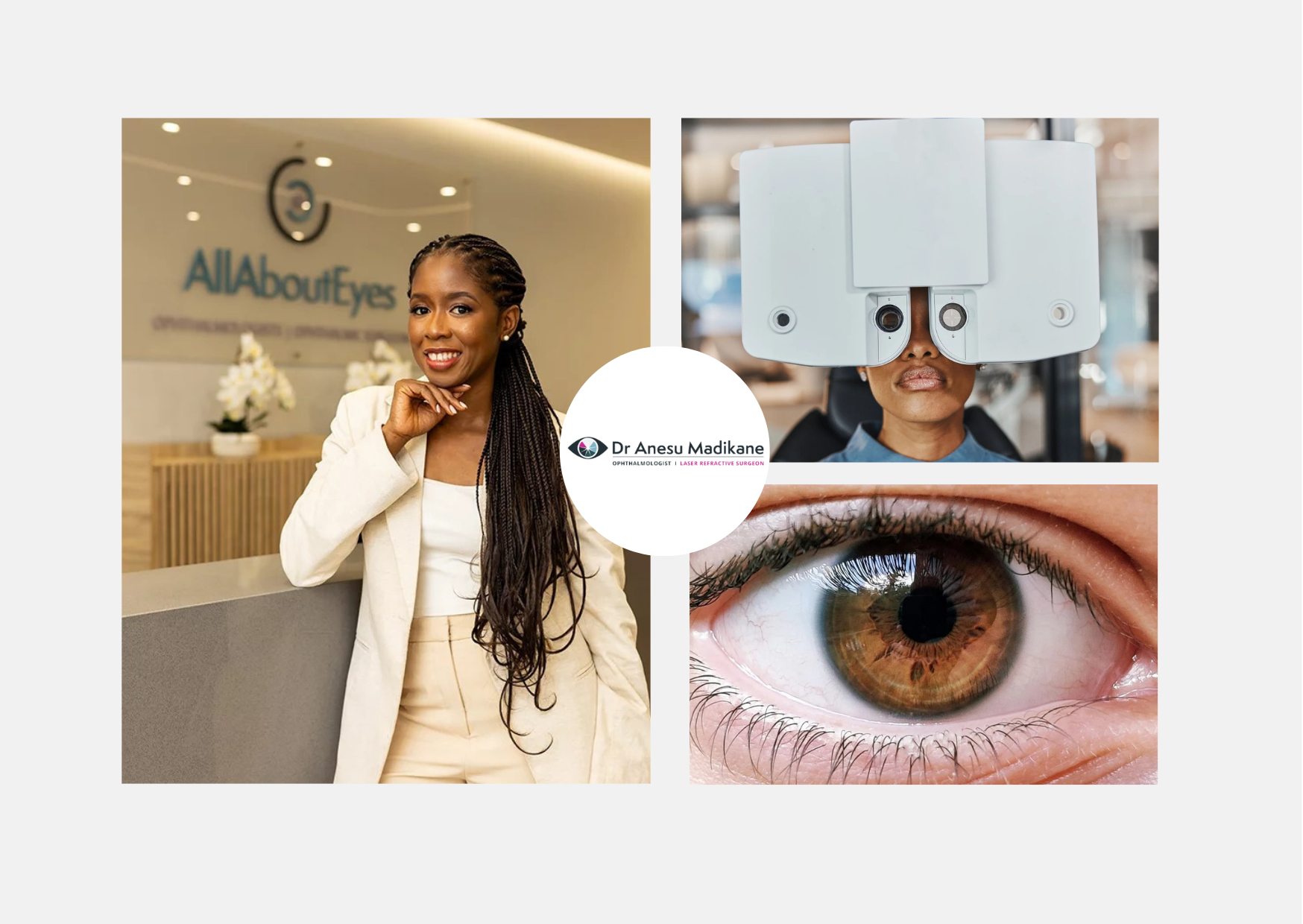
What medical aid rules usually consider for laser vision
Many South Africans ask whether their medical aid will pay for laser vision correction, and the answer often depends on how your specific plan defines benefits for elective procedures. In practice, most schemes focus on clinical necessity and documented eye findings rather than convenience. This means the does medical aid cover laser eye surgery assessment process and the results of your eye tests can matter as much as the treatment itself. For patients who want clarity before committing, it helps to ask your scheme directly what categories of funding apply to refractive surgery.
Medical aid coverage can also vary according to whether the procedure is considered a “refractive” intervention or linked to an underlying condition. Some plans may cover treatment where there is a functional impairment backed by a specialist report, while others may exclude purely refractive goals. Your ophthalmologist’s documentation—such as corneal thickness measurements, degree of refractive error, and stability of your prescription—helps explain why laser surgery is appropriate. If your records show stable vision changes and suitability for laser techniques, the case for coverage often becomes more straightforward.
Local factors in South Africa that affect your approval chances
In South Africa, approval is frequently influenced by the provider network, pre-authorisation requirements, and how your scheme handles specialist referrals. Some medical aids request that you obtain authorisation before the procedure date, so waiting until the last minute can delay or cost of lasik eye surgery in south Africa complicate payment. Using an in-network ophthalmology practice may reduce administrative friction, even if the clinical decision remains the same. It’s also common for schemes to request itemised accounts and diagnostic results before they release benefits.
Another local consideration is the type of laser technology and the clinical pathway recommended for your eyes. Different options—such as LASIK, PRK, or other laser techniques—can be chosen based on corneal shape and dryness risk, and your plan may not treat every technique the same way. Patients with dry eye symptoms, thin corneas, irregular astigmatism, or other ocular surface concerns may need extra steps before surgery, which can affect what is billed and what is approved. Discussing the full treatment plan with Dr Anesu Madikane can help you understand what is essential for safety and what may be elective in your specific case.
How to estimate the cost of LASIK in South Africa
Even when medical aid partially contributes, you may still pay certain expenses, and many patients want to understand the before consultations progress. Pricing typically reflects surgeon experience, the diagnostic work-up, the laser platform used, and the level of follow-up care included in the package. Additional costs can come from pre-op assessments, imaging, dry-eye management, and post-op check-ups depending on how your eyes respond. For this reason, asking for a written quotation that breaks down what is included is often more useful than relying on a single price figure.
To estimate your out-of-pocket spend, consider both the likely medical aid contribution and any expected gap costs. If your scheme pays only for the procedure portion and excludes certain tests, you may still need to cover investigations and enhancement-related visits. Some people also choose to upgrade services to reduce waiting time or to access specific technology, which can change the final amount. A transparent discussion with a specialist helps you plan financially and avoids surprises on the billing day.
Conclusion
If you’re wondering whether medical aid covers laser eye surgery, the best starting point is a structured specialist assessment and a clear understanding of your scheme’s pre-authorisation process. Coverage outcomes often hinge on documentation quality, clinical eligibility, and the way your plan categorises refractive procedures. In South Africa, network rules, itemised billing, and the specific technique recommended for your eyes can influence what gets approved. By preparing your question list and requesting written guidance early, you can move forward with confidence about both eligibility and costs.
For patients seeking practical support, dranesumadikane.co.za and the team around Dr Anesu Madikane provide helpful ophthalmology guidance that helps you interpret your plan’s expectations and understand suitable treatment options. A specialist consultation can translate your test results into a benefit-focused motivation that your medical aid can review. When you combine clinical suitability with administrative clarity, you’re more likely to get a smooth approval process and a plan that aligns with your visual goals.