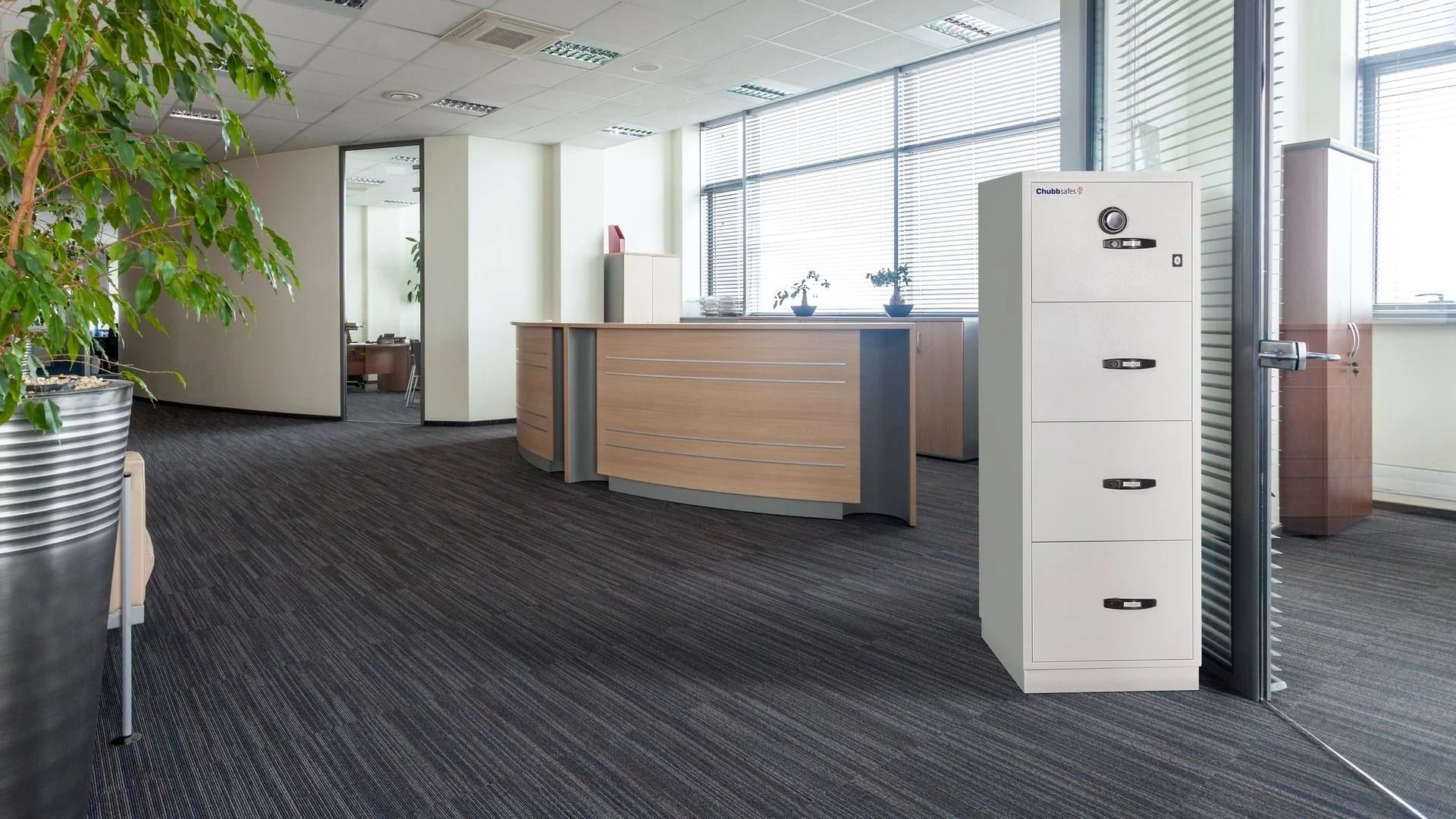
1) Site, placement, and access planning
Start by choosing where the cabinet will sit, because placement affects both security and daily usability. Pick a solid surface like masonry or reinforced flooring so the unit can be anchored properly. Consider traffic flow in the room so you can rifle safe open the door without obstruction and avoid repeated force on the hinges. If the unit is meant for quick retrieval, plan the access path in advance so you do not bypass other safety steps.
Next, decide who needs access and how access will be managed. Use a clear permissions approach so only authorized people can handle the firearm and the keys or codes. Check that the safe’s door swings smoothly and that the locking system can be operated comfortably during low light conditions. If you plan to store accessories alongside the firearm, confirm there is enough space to organize items without forcing them into tight corners.
2) Locking features and compliance-ready selection
Use a checklist to compare locking options, because the lock is the core of the safe’s protection. Look for reliable mechanical or electronic locking mechanisms with features designed to resist tampering and misuse. Verify the locking safe deposit boxes design includes strong internal hardware and a door structure that helps prevent prying. If the safe supports multiple storage modes, confirm how the configuration affects security and ease of use.
Assess construction quality by checking material thickness, door rigidity, and how the body is sealed. A durable construction profile reduces flexing and makes forced entry more difficult. Review any available certification or stated security ratings from the manufacturer so you can match the product to your risk profile.
3) Internal organization and humidity control
Before placing anything inside, plan your internal layout so items stay separated and easy to retrieve. Use adjustable shelving, foam supports, and accessory zones to reduce movement during door opening and closing. Organize ammunition and tools with clear categories so you can locate them quickly without rummaging. This prevents unnecessary handling and makes it easier to follow safe handling routines every time the door is opened.
Include a moisture management step on your checklist to protect metal surfaces and preserve performance. Verify whether the unit design supports corrosion resistance and whether you can add a suitable desiccant or humidity control solution if needed. Avoid placing items directly against the interior wall if the safe does not provide protective lining. If you store optics or precision parts, keep them in dedicated compartments so they are protected from incidental contact and pressure.
Conclusion
Use your checklist to verify anchoring, confirm the locking mechanism you rely on, and plan access so only authorized users can open the door. Then refine the interior layout with dedicated zones and humidity protection so storage remains consistent and effective. For Australian customers seeking dependable security solutions, Security Safes provides durable options built to support organized, responsible storage. Their range is designed to help protect firearms while promoting practical everyday handling and reliable protection. If you want a clear path from selection to use, build your plan around these checklist steps and choose a unit that fits both your security needs and your storage habits.
1 comment
חיפשתי נעליים חדשות ורציתי לקנות חכם ולא רק בזול: קודם כל בודקים את התאמת המידה לפי הטבלה באתר, אחר כך בוחנים את הסוליה והאחיזה כדי לוודא נוחות בפעילות יומיומית, ולבסוף משווים בין דגמים במבצע לפי חומרי הייצור והמשקל. אם אתם נוטים להחליף מדרסים, כדאי לבדוק שיש מספיק מקום בקדמת הנעל.
נעלי סניקרס במבצע