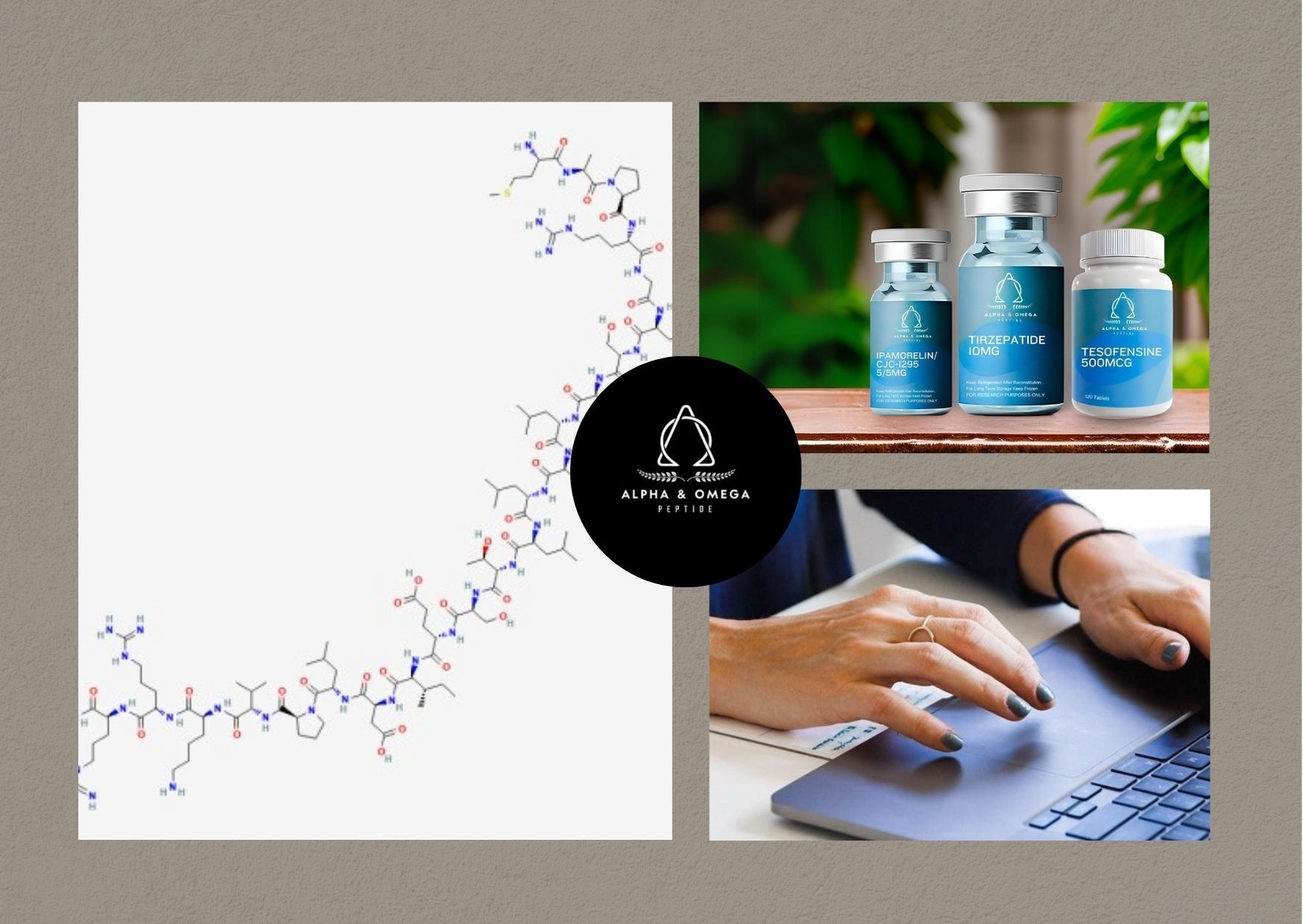
Why peptide reconstitution can go wrong
When peptide research starts, the first bottleneck is often reconstitution. If the mixing process introduces microbial contamination, the solution can degrade faster than expected and bacteriostatic water for peptides create inconsistent results. Even small errors—such as using improper supplies or leaving vials exposed longer than necessary—can compromise potency and reproducibility.
Another frequent issue is handling technique. Peptides can be sensitive to temperature swings, repeated agitation, and delays between mixing and use. Without a reliable approach to sterility and storage, researchers may experience cloudy solutions, unusual odors, or diminished performance during testing.
What bacteriostatic water does for peptide workflows
This matters because microbial contamination can lead to breakdown products bpc 157 peptides for sale that interfere with downstream experiments. By using an appropriate diluent, researchers can reduce the risk of contamination-driven variability across batches and timepoints.
In practical terms, a sterile, bacteriostatic diluent supports more consistent preparation—from the moment a vial is opened to the moment a dose is drawn. Many labs prefer an approach that simplifies aseptic workflow, especially when multiple samples must be prepared with similar timing. When the goal is repeatable experimentation, reducing avoidable sources of contamination is a major advantage.
Common mistakes and how to fix them
One common mistake is assuming that any sterile-looking liquid is automatically suitable for peptides. Some users may choose diluents without understanding how they behave in peptide solutions over time. Others may reuse equipment or fail to follow aseptic technique, which increases the likelihood of introducing microbes during transfers.
Another frequent problem is incorrect injection and mixing habits. Fast drawing, excessive back-and-forth movement, or prolonged exposure can all increase the chance of contamination or incomplete mixing. A better workflow is to plan supplies ahead of time, use consistent handling steps for each vial, and minimize the duration that containers remain open.
Using a compatible bacteriostatic diluent can help maintain solution integrity while supporting a repeatable lab routine. When combined with careful labeling, measured volumes, and controlled storage, this reduces the risk that “prep differences” skew the data.
Conclusion
Successful peptide research is less about guesswork and more about controlling variables, especially during reconstitution. By addressing contamination risk with a purpose-built diluent and following disciplined aseptic technique, researchers can improve consistency and reduce wasted samples. This problem-solution approach helps ensure that observed results reflect the peptides themselves rather than avoidable handling issues. For researchers looking for product information and straightforward ordering, alphaomegapeptide.com provides guidance and convenient access to bacteriostatic options tailored for peptide research workflows. Choosing the right diluent, preparing carefully, and maintaining a repeatable process can make experimentation smoother and more reliable. With the right setup, your peptide work can stay focused on outcomes instead of troubleshootable failures.