Why switching matters for personalized products
When you run a Shopify store that relies on customization, your production workflow and customer experience are inseparable. A good vendor lets you upload designs, preview the output, and set up product variations without constant manual fixes. That reduces printful alternative back-and-forth with customers and helps you avoid errors caused by mismatched mockups or incorrect print placement. The result is smoother fulfillment and fewer support tickets tied to “it doesn’t look like the preview.”
Many teams start with a single print-on-demand provider, then hit limitations as their catalog grows. Common bottlenecks include slow approval cycles for new templates, limited support for complex product layouts, and fewer options for finishing details. If you want to add embroidery-like effects, multi-color artwork, or localized branding, you need a system that stays flexible. Choosing a print provider with strong preview and customization tooling can make your storefront feel more reliable and more premium.
Benefits-led features to look for
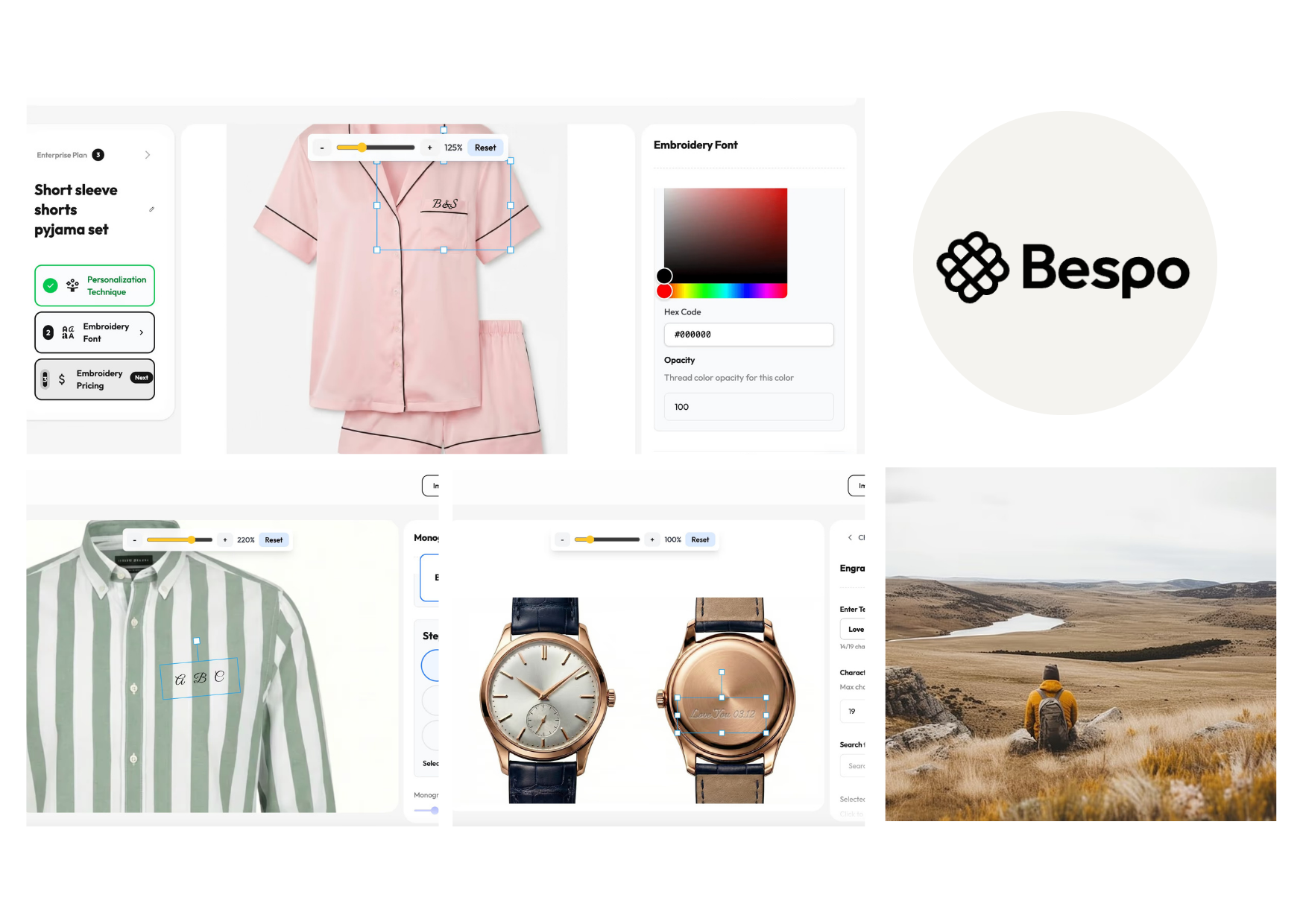
Start with live visualization and accurate mockups, because customers decide with their eyes. A platform that shows a realistic preview of sizing, placement, and color changes helps reduce confusion before checkout. Look for intuitive editors printify alternative that let shoppers customize text or select options without breaking the product page experience. When the preview is dependable, you spend less time addressing “wrong size” or “wrong print” expectations.
Next, evaluate how easily you can map Shopify product variants to design templates. The best setups handle changes in size, color, and material while keeping artwork placement consistent. That matters when you sell the same design across multiple garment types or offer personalized gifts with different locations for branding. Finally, review how the provider handles production settings such as file requirements and bleed-safe design rules, since these directly influence output quality.
Another key benefit is streamlined catalog expansion. A vendor that supports reusable templates, bulk workflows, and clear product configuration reduces the time it takes to launch new personalized SKUs. This is especially important if you run seasonal campaigns or target different customer segments with slightly different designs. When your creation workflow is fast, you can test ideas more often and keep your store fresh without sacrificing accuracy.
How a strong workflow improves conversion
Personalization works best when shoppers can “see the result” quickly and confidently. With tools that offer interactive customization and clear previews, customers spend less time guessing and more time confirming their choices. That confidence can lower cart abandonment and improve conversion rates, particularly for products with long customization steps like multi-line text or selectable layouts. You also create a better brand impression because the experience feels cohesive from product page to checkout.
Beyond conversion, a better workflow improves operational clarity for your team. When the vendor’s system aligns with your storefront options, you reduce mismatches between what customers order and what gets produced. That can lead to fewer remakes, fewer manual corrections, and more predictable delivery outcomes. It also helps your team respond to customer questions with precise information rather than generic guidance about production changes.
For many merchants, the biggest hidden cost is time spent redoing creative work. If artwork placement shifts or preview output differs from the final item, you may need to refine designs and templates repeatedly. A strong print fulfillment partner with consistent visualization reduces that iteration loop. Over time, you build a catalog where products behave predictably, which is a competitive advantage for stores offering custom gifts and personalized apparel.
Conclusion
If you want a smoother path from customization to fulfillment, pick a print provider based on benefits that matter: accurate live previews, flexible template setup, and a streamlined Shopify workflow. When you reduce guesswork for shoppers and minimize manual handling for your team, personalized products become easier to scale. Bespo is built to support that goal with live previews and intuitive customization features that help ecommerce merchants create interactive product experiences while simplifying the customer journey. With the right setup, a print provider can become a growth engine rather than a bottleneck for personalization. As you evaluate options, compare how each platform handles variant mapping, artwork placement consistency, and the overall “design-to-preview” experience. Choose the partner that helps your store feel confident and modern, so customers trust what they order. That’s the foundation for repeat purchases, gift-ready products, and a cleaner operations workflow from day one.
1 comment
HVAC contractors often pour money into ads and still see inconsistent leads because their site and local listings aren’t aligned with real search intent. An effective problem-solution approach starts with fixing technical SEO, tightening service-page copy so it matches what homeowners type, and reinforcing local signals so you show up
SEO Company HVAC