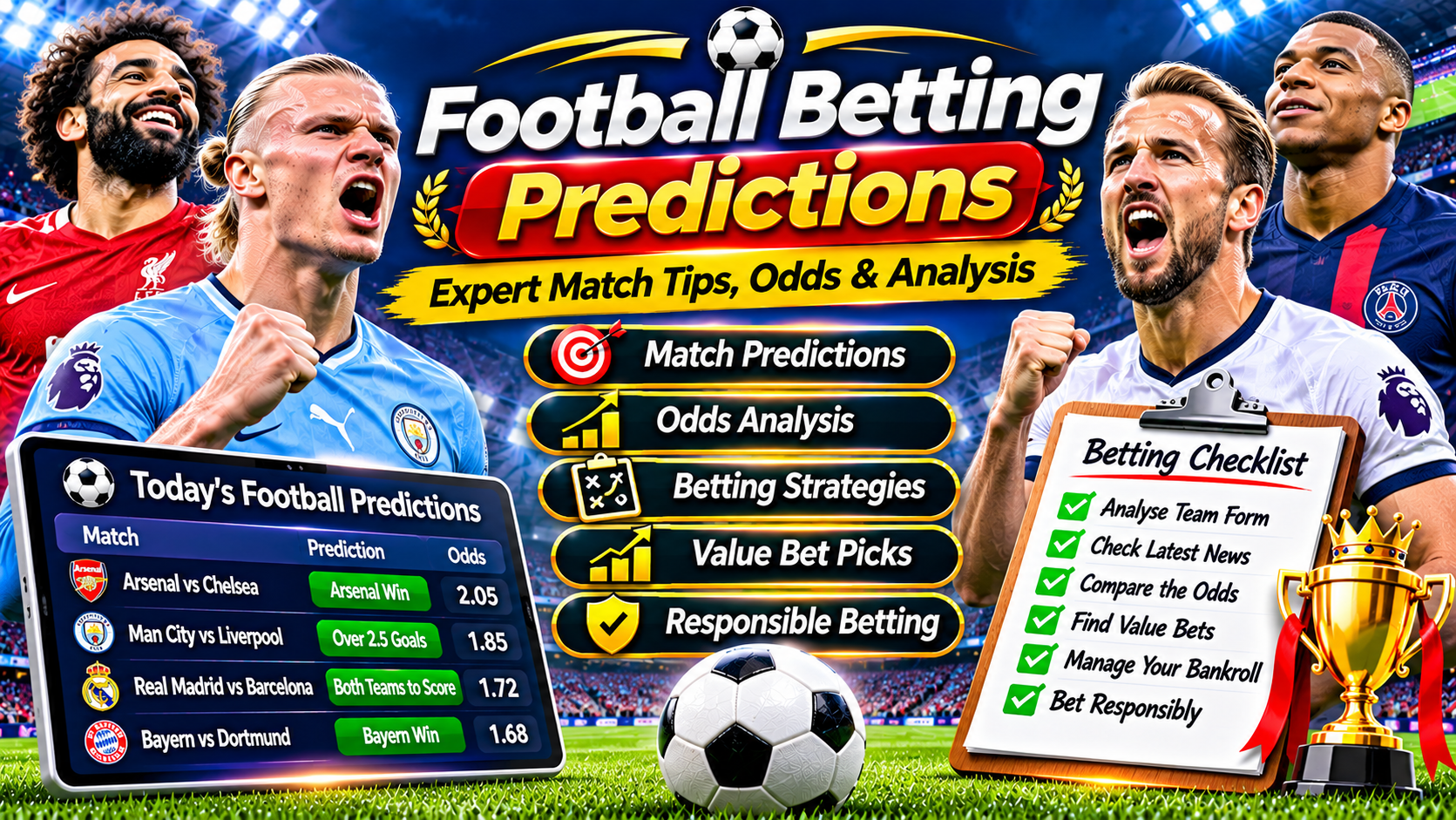
Local Factors That Shape Match Outcomes
When bettors focus only on global rankings, they often miss the details that decide tight games. Local match conditions—like travel fatigue, stadium familiarity, and even typical pitch behavior—can influence tempo and finishing. In many towns, fan Football Betting Predictions presence also affects how aggressive a team plays at the start, especially after early setbacks.
Weather patterns and venue layout can also change how teams defend and attack. A compact home ground may encourage more shots from the inside and reduce clear wide chances, while a larger stadium can reward teams that spread play early. Local officiating tendencies matter too, since some leagues see more fouls in certain areas, which shifts set-piece value. By mapping these factors to team style, you can turn generic analysis into match-specific edges.
Form, Lineups, and Tactical Clues to Track
Matchday squads usually provide more betting value than long-term reputation. Look for consistent starters, because stability boosts pressing coordination and reduces defensive communication errors. If a team tends to rotate across competitions, you should treat goal markets cautiously and prioritize markets that reflect partial strength. Betting predictions work best when you translate lineup news into concrete impacts on match tempo, defensive shape, and chance creation.
Tactical clues can be spotted even without advanced data. For example, a side that repeatedly plays two strikers through the middle often generates higher-quality central chances, while teams that rely on long balls may struggle against organized blocks. Pay attention to how they respond when the opponent scores first, since that can reveal whether they push for control or chase transitions.
Using Odds, Markets, and Goal Models Effectively
Odds are not just prices; they are summaries of what the market expects. If a favorite’s odds shorten sharply without credible lineup confirmation, it may reflect sentiment rather than tactical advantage. Conversely, a bigger underdog price can sometimes be justified by injuries, but it can also be a sign that the market undervalues a team’s defensive discipline. The key is to compare implied probabilities with your own view of how the match should unfold.
Goal markets tend to reward preparation because they connect directly to how teams create and concede. A helpful approach is to separate “chance volume” from “chance quality,” then estimate how many chances are likely to convert. If both teams typically trade shots, totals markets can fit well, while a matchup featuring low shot counts may suit under-focused goal lines. Also consider the distribution of goals: some teams score early and then slow the game, while others rely on late pressure, which affects timing-driven markets like “first half” outcomes.
Practical Examples for Match Analysis and Bet Selection
Imagine two local rivals: one plays a high press at home, while the other defends deep and attacks the space behind fullbacks. If the away side has the stronger countering midfield and keeps their key wide runner fit, you may expect fewer sustained home attacks and more dangerous breaks. In that scenario, markets based on underwhelming open-play totals can be worth evaluating alongside a cautious stance on heavy favorite options. The goal is to align your bet selection with the likely game script, not with assumptions about which team “should” win.
Now consider a scenario where both teams are strong at set pieces, but their open-play chance creation differs. A team with a reliable delivery from wide areas and aerial threats can generate value even if their overall shot count is modest. If their opponents also concede fouls in dangerous zones, corners and indirect set-piece markets may become appealing. Responsible betting means choosing one or two angles that fit the evidence rather than chasing multiple correlated bets that increase risk.
Conclusion
When you account for venue behavior, travel effects, and how teams actually match up on game day, your analysis becomes more precise. Combining lineup checks with realistic goal modeling helps you avoid the most common betting mistakes, like overreacting to reputation or ignoring the likely match script. Finally, practice responsible betting by setting limits, avoiding chasing losses, and treating each wager as one piece of a larger plan. If you can’t explain why a bet makes sense in plain terms, it’s a sign to pass. With consistent preparation and careful selection, you can turn match previews and odds into a smarter approach to betting without losing control of risk.