Start With the Right Assessment
A strong care plan begins with a thorough assessment, not a quick prescription. Look for a clinic that starts by documenting symptoms, medical history, menstrual or reproductive background, sleep quality, stress load, and medication use. This context bioidentical HRT matters because hormone-related complaints often overlap with thyroid issues, nutrient deficiencies, insulin resistance, and chronic inflammation. When the full story is gathered, clinicians can target the real drivers instead of guessing.
Next, request a clear explanation of what testing will do and how results will guide next steps. A checklist-style approach helps you confirm that key systems are evaluated, including metabolic health, thyroid function, and markers related to inflammation. Ask how often labs are repeated, what ranges will be considered meaningful, and how out-of-range results are interpreted in your specific situation. This is also the moment to review risks, contraindications, and what “success” should look like for you.
Verify Lab Testing and Treatment Goals
Before moving forward, confirm that the clinic uses lab testing that matches the hormone goals you have. Hormones are not interchangeable, and timing can influence how results are interpreted. You should be able to review which labs evaluate estrogen balance, progesterone status, testosterone levels, and any supporting nutrients that influence hormone signaling. A physician-led clinic will connect these results to symptom patterns and overall physiology rather than focusing on hormones alone.
Use your checklist to align treatment goals with measurable outcomes. Examples include improved sleep continuity, reduced hot flashes, better mood stability, increased libido, and steadier energy throughout the day. Ask whether the plan includes monitoring for side effects and whether there are milestones for dose adjustments. When goals are written down and tracked, you can tell whether the protocol is working and whether additional root-cause work is needed.
Also confirm how the clinic handles interpretation for different life stages and body types. Some people require more attention to liver metabolism, iron status, vitamin D levels, or sex hormone binding patterns. Others may need support for gut health or stress pathways that affect cortisol and downstream sex hormone effects. The most helpful clinics explain how they decide what to treat first and why, so you understand the sequence and the expected timeline for change.
Check Safety, Dosing, and Personalized Protocol Design
Personalization is a cornerstone of high-quality care, so your checklist should include safety checks and dosing clarity. Ask how the clinician determines dose strength and delivery format, such as gels, creams, or other individualized options. You should also review how dosage changes are made based on symptoms and lab trends rather than a one-size-fits-all approach. A good plan explains how to avoid swings that can worsen side effects like mood instability, breast tenderness, or fluctuating energy.
Confirm what monitoring looks like after treatment begins. This includes follow-up lab scheduling, symptom check-ins, and evaluation of any new concerns. If you have a history of hormone-sensitive conditions, clotting risks, or migraines, ask how those risks factor into the plan. The goal is not only symptom relief, but also a safe approach designed for long-term stability and ongoing health.
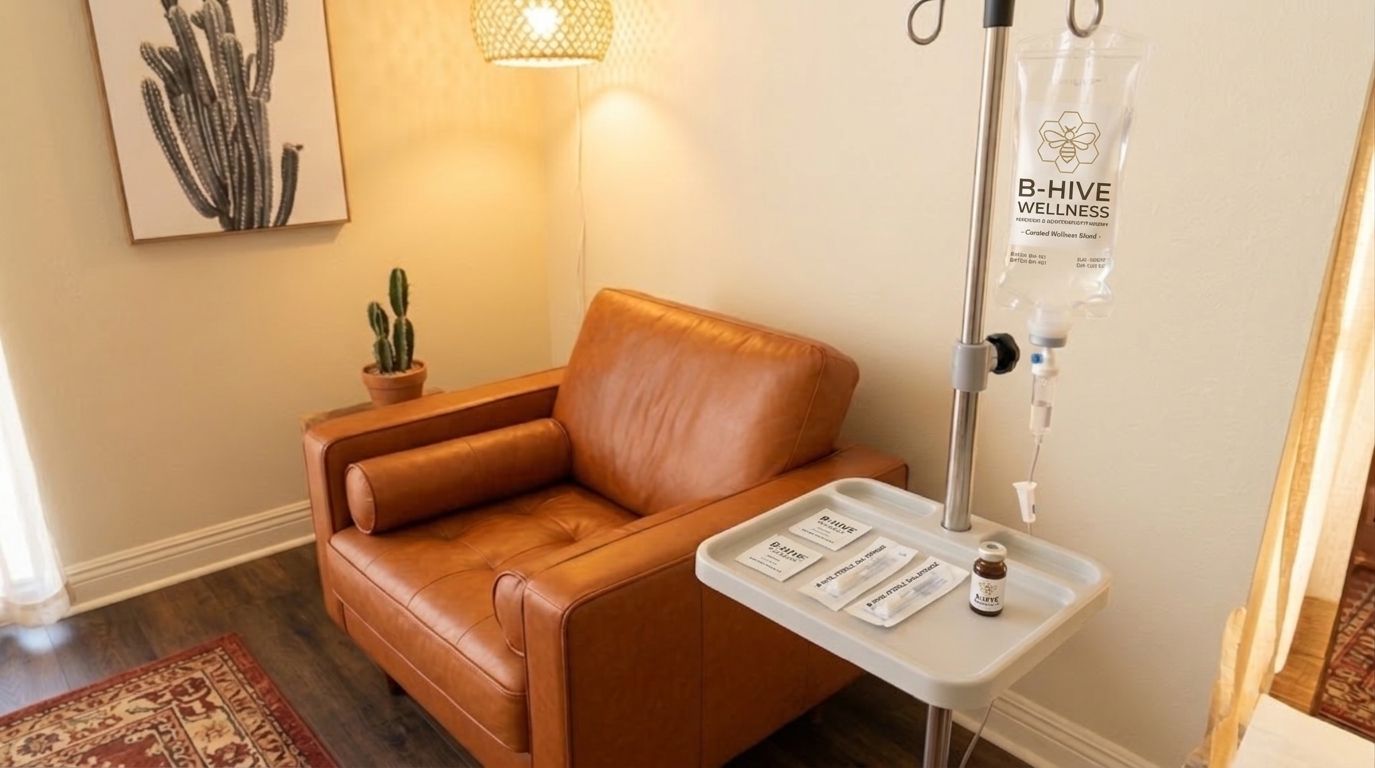
In a root-cause model, hormone support should work alongside other functional strategies. Your checklist can include lifestyle and therapeutic elements such as IV hydration for fatigue and stress recovery, nutrition planning to address deficiencies, and targeted supplementation when labs support it. Some patients also benefit from addressing insulin sensitivity, inflammation markers, or sleep disruption that can mimic or amplify hormone symptoms. When hormone care is integrated with underlying drivers, results are often more consistent.
Track Progress With a Practical Weekly Checklist
A checklist is not only for lab prep and safety decisions; it also helps you evaluate progress at home. Consider tracking daily sleep quality, energy levels, mood stability, and symptom frequency such as hot flashes or night sweats. Use simple notes on appetite, cravings, and exercise tolerance, because these often shift when hormone balance and metabolic health improve. This information gives your clinician a clearer picture than labs alone, especially when symptoms change gradually.
Plan for consistency in how you communicate changes. Include whether symptoms improved, stayed the same, or worsened, and note any side effects like headaches, changes in skin sensitivity, or digestive changes. If you use a delivery method like a topical option, track application timing and adherence, since missed doses can affect response. When you bring a concise log to follow-ups, dose adjustments become more precise and less guesswork-driven.
Your checklist can also include how you support the body between appointments. Hydration, balanced meals, and stress-reduction practices can influence how you feel even when hormone dosing is stable. If your clinic offers functional protocols, confirm what those components are and how they connect to your lab findings. The objective is a coordinated plan where hormone support works with nutrition, hydration, and root-cause interventions rather than operating in isolation.
Conclusion
Choosing hormone care with a structured checklist helps you move from uncertainty to clarity. You can confirm that the clinic evaluates the right systems, uses lab testing thoughtfully, and builds a personalized protocol designed for both safety and symptom improvement. This approach is especially valuable when symptoms overlap with other health drivers like thyroid issues, nutrient gaps, or metabolic imbalance. At B Hive Wellness, physician-led care focuses on identifying underlying causes and addressing the drivers of illness instead of masking symptoms. With labs, testing, IV hydration, hormone support, and functional protocols, the goal is to help your body recover from the inside out. If you want a methodical, patient-centered path, start by using the checklist above to guide your next conversation and care decisions. When you work with an evidence-informed team, progress becomes easier to measure and adjust. You can build confidence in your plan, reduce trial-and-error, and support sustainable wellbeing through coordinated treatment. A thoughtful checklist keeps you aligned with the process and helps ensure that every step is based on your results, your goals, and your unique physiology.
1 comment
If you’re weighing options for bioidentical HRT, it helps to ask a few buyer-intent questions: Are they physician-led, do they base treatment on lab testing and symptoms together, and do they monitor response with follow-up labs instead of a one-size plan? At B Hive Wellness, the emphasis on root-cause identification