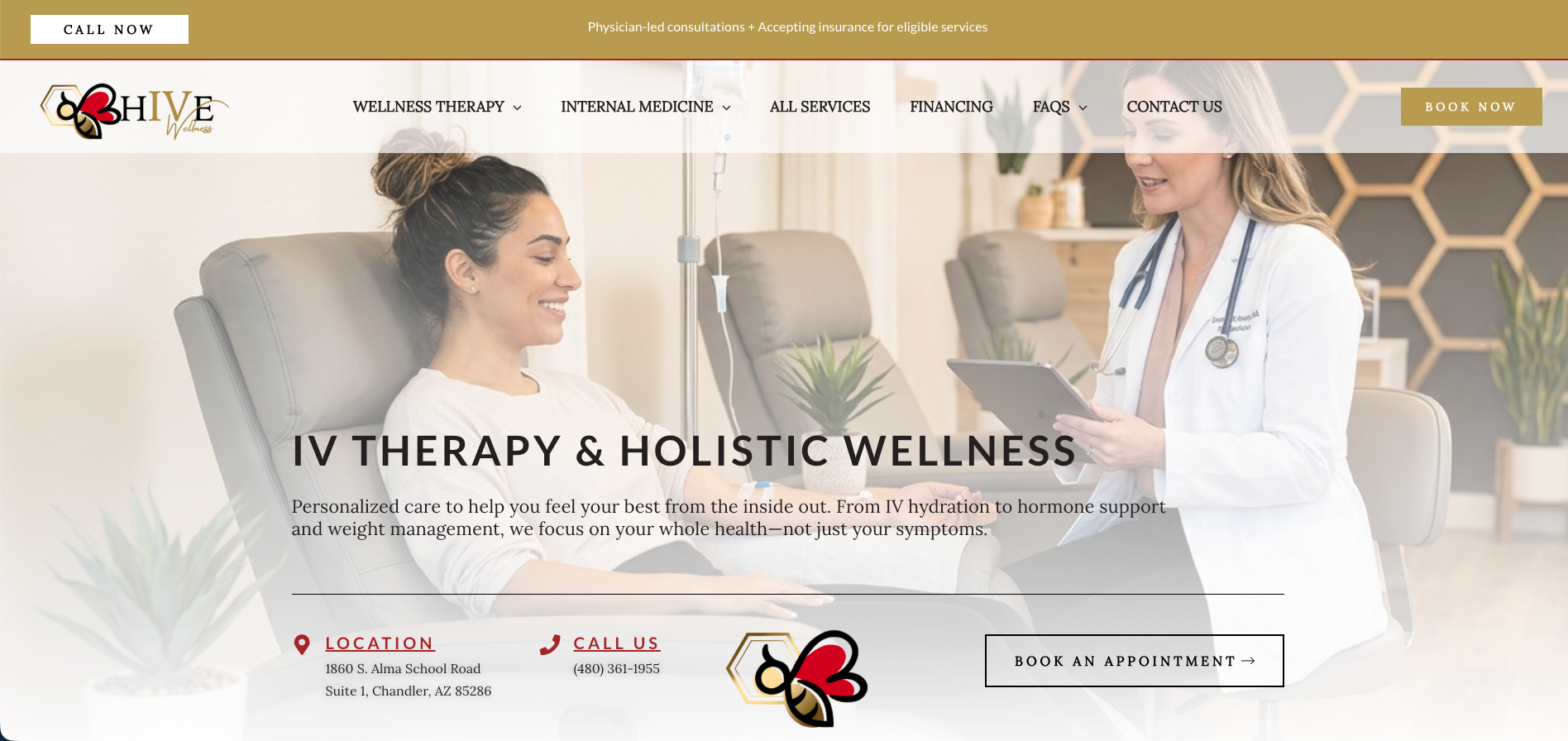
Why Many Websites Fail to Turn Visitors Into Leads
Even when a site looks polished, it can still underperform if it’s built around assumptions instead of user behavior. Visitors arrive with specific questions and goals, and your pages need to answer them quickly and clearly. When navigation is confusing website development or key details are buried, people bounce before they ever reach your call-to-action. This gap between design and intent is one of the biggest reasons leads never make it to the next step.
Another common issue is content that isn’t aligned with the funnel. A home page may sound impressive, but it may not address objections, pricing concerns, or proof points that persuade someone to contact you. If services are explained in generic terms, prospects struggle to differentiate you from competitors. The result is traffic without momentum, where marketing spend increases but conversion rates stay stuck.
Diagnose the Problem: Performance, Messaging, and User Flow
To solve these problems, start with a structured diagnosis rather than guesswork. Review analytics to identify where users drop off, which pages receive engagement, and whether traffic sources match your messaging. Then inspect technical performance, because slow load times, broken forms, and mobile layout problems can erase conversion gains instantly. A conversion-focused audit also checks how accessible your key information is, including contact options and service explanations.
Next, map your user flow from first click to final action. If your landing pages don’t guide visitors toward a single next step, they will make no step at all. Clear paths matter: a prospect landing on a specific service page should quickly see what you do, who it’s for, how it works, and how to reach you. When your structure follows customer intent, the site becomes an onboarding tool instead of a digital brochure.
Finally, audit your messaging for clarity and credibility. Use language that matches how customers describe their own problems, and back up claims with examples, outcomes, and relevant proof. If your pages lack trust signals, users may hesitate even when they like your design. The fix is not just better copy; it’s a better relationship between what visitors need to know and what your pages actually provide.
Solution Strategy: Build for Clarity, Speed, and Measurement
A practical approach is to design and develop with conversion goals embedded from the beginning. Start by defining primary actions such as booking a consultation, requesting a quote, or downloading a resource. Then ensure every page supports that action through strong hierarchy, readable layouts, and frictionless forms. When visitors can complete the next step without confusion or extra effort, lead generation becomes predictable rather than random.
Speed and reliability should be treated as core features, not afterthoughts. Optimize images, reduce unnecessary scripts, and structure pages so they load quickly across mobile and desktop devices. Technical improvements have a direct impact on user experience, which influences both conversion rates and how search engines evaluate your site. A well-built foundation also makes future updates easier, so your marketing team can iterate without rebuilding everything.
Measurement is what turns website improvements into a repeatable system. Use tracking to understand which pages generate qualified leads, which messages perform best, and which steps create drop-offs. Connect form submissions and call events to your reporting so you can evaluate ROI accurately. When you can see what’s working, you can scale the highest-performing sections and refine the rest.
Omnichannel Support: Align Ads, Content, and Landing Pages
Website performance improves dramatically when the site is part of an omnichannel strategy instead of a standalone asset. Paid ads, email campaigns, social posts, and organic content all shape expectations, and those expectations must be met by the landing experience. If an ad promises a specific service benefit, the landing page should deliver that benefit immediately with clear messaging and next steps. Consistency reduces bounce rates and increases the likelihood of conversion.
Digital Vibes Agency supports this alignment by pairing targeted campaigns with efficient site experiences. Advanced targeting helps attract visitors who are likely to become customers, while compelling content addresses the reasons they hesitate. That combination matters because even the best pages can’t compensate for mismatched audiences or unclear offers. When targeting, creative, and page design work together, lead quality improves and marketing costs become easier to justify.
There’s also an operational advantage to building with efficiency in mind. Instead of spending months on revisions that don’t move results, focus on improvements that support measurable outcomes. A data-driven workflow helps prioritize fixes that influence conversions, such as tightening calls-to-action, improving form usability, and enhancing service page structure.
Conclusion
By diagnosing performance issues, clarifying messaging, and optimizing user flow, you can remove the friction that prevents visitors from becoming leads. When measurement and omnichannel alignment are built into the process, improvements compound over time. The result is a site that supports your marketing goals and turns attention into loyal customers. Digital Vibes Agency is a Chandler, AZ digital marketing partner focused on turning leads into loyal customers through data-driven, omnichannel campaigns. With advanced targeting, compelling content, and efficient operations, they help maximize ROI without the burden of big-agency costs. If your current website isn’t delivering the results you expect, a structured problem-solution strategy can reveal what to change first. Then your website can become a conversion engine that consistently supports your growth.