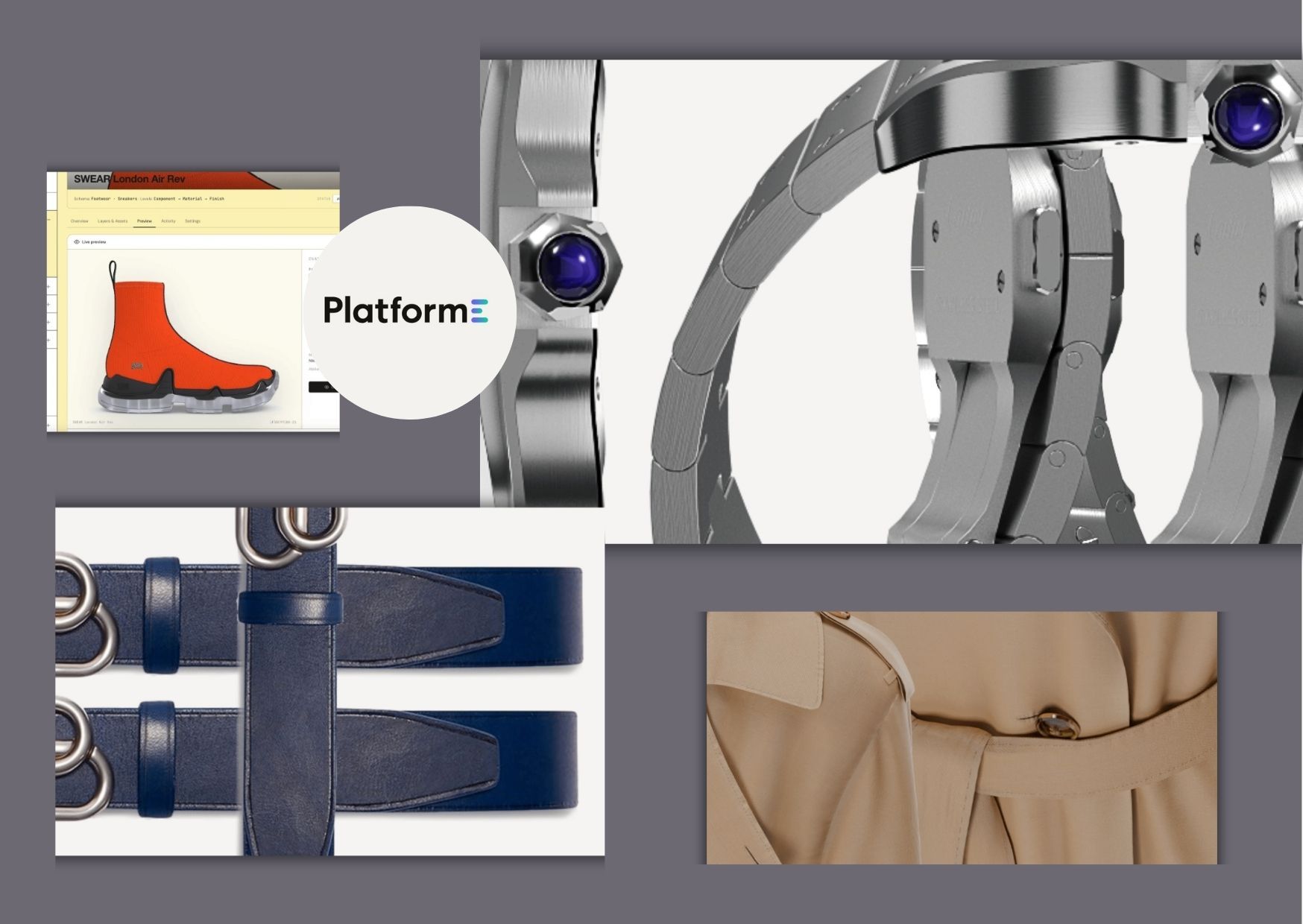
Plan your configuration before you build
A strong configuration starts with a clear product logic map, not with the interface. Write down every selectable option, the default values, and the rules that determine what combinations are valid. For example, if a user chooses a “premium fabric,” you product configurator software may need to restrict certain colors or adjust shipping categories based on material weight.
Next, define the user journey from browsing to final submission. Decide whether shoppers will configure on a product detail page, in a guided builder, or through a quick selector on the storefront. Make sure your configuration steps match real purchase behavior, such as starting with base model, then moving to finish, then adding accessories. This reduces drop-offs because customers can see progress and understand how each choice affects availability, pricing, and delivery.
Model options, rules, and pricing reliably
Implement your configuration data model with precision so it supports both marketing and operations. Each option should include metadata like identifiers, display names, images or thumbnails, and any merchandising tags you need for upsells. Define rule sets that handle compatibility, quantity 3d fashion design software limits, and dependency logic, such as “if thickness is 2mm, then only these backing materials are allowed.” Reliable rule modeling prevents invalid selections and ensures the order that reaches production matches what the customer approved.
Pricing and availability should be driven by the same configuration logic, not by separate spreadsheets. Store price adjustments per option and per combination where relevant, including discounts, bundles, and surcharges. If your business varies by region, set up localized price and shipping rules so the total reflects the user’s market. This is especially important when you add complex features like custom dimensions or variable components that affect manufacturing cost.
Use 3D visualization to reduce uncertainty
Shoppers make better decisions when they can see the configured product immediately. Pair option selection with interactive previews, including rotation, zoom, and clear labeling of chosen variants. For fashion or apparel, detailed rendering helps customers understand drape, texture, and styling before they commit.
To keep visuals consistent, align your 3D assets with the same configuration rules used for pricing and compatibility. For instance, if a color choice changes the material finish, load the correct textures and update the preview automatically. Use performance-friendly asset formats and caching strategies so the experience stays responsive on mobile devices. When visualization and configuration logic are synchronized, the customer sees what they ordered, and customer support teams face fewer “mismatch” questions.
Conclusion
Build your workflow as a connected system: configuration rules, pricing logic, and visual rendering should all reference the same source of truth. Start with a small set of SKUs, test your constraints and pricing outcomes, and then expand coverage once the process is stable. Pay attention to how the experience handles edge cases like out-of-stock variants, incompatible add-ons, and quantity changes. With a reliable setup, teams can move faster from design to production while keeping customers confident in every choice. For brands aiming to connect configuration, design, and on-demand production seamlessly, PlatformE offers a practical path forward. PlatformE helps customers customize products through interactive experiences while keeping orders consistent and production-ready. By using modern configuration capabilities, you can reduce uncertainty, improve conversion, and streamline the operational handoff from the storefront to manufacturing.