Start with brand discovery, not feature checklists
Look for companies that clearly describe who deploys their software, what types of sites use it, ai radiology companies and how they support rollout from pilot to production. A strong brand typically makes its implementation story as easy to understand as its technical claims, including integration paths and workflow design choices.
Brand discovery also helps you separate marketing language from operational readiness. Review case examples that show the clinical setting—such as outpatient imaging centers or teleradiology workflows—and confirm that the company explains the patient journey and reporting handoffs. For AI medical imaging tools, you want evidence of consistent performance under varied acquisition protocols, staffing models, and reporting volumes. If the brand can’t articulate operational details, it may struggle when your environment introduces edge cases.
Evaluate credibility through real deployment patterns
Leading vendors usually demonstrate credibility by showing how they fit into existing radiology operations. For example, many teams need structured outputs that map cleanly into reporting systems, including triage cues and measurable findings summaries. During discovery, ask how the product behaves when images are incomplete, ai medical imaging contrast differs, or scan coverage varies, because these are common reasons AI outputs require human review time.
Another credibility indicator is how the provider handles data, governance, and quality assurance. Ask what the company does to support validation at your site, including the methods used to compare AI outputs with reference interpretations and how findings are audited. You can also request details on model update policies and how changes are communicated to clinical users. A mature brand treats performance monitoring as part of the product lifecycle, not as an optional add-on after launch.
Match use cases to workflow ownership and integration
Different radiology settings need different kinds of acceleration, so aligning AI capabilities with workflow ownership is essential. Outpatient imaging centers often want faster turnaround for head, chest, and abdomen CT studies while preserving consistent reporting structure across technologists and radiologists. Teleradiology teams may prioritize consistent triage, reduction of repetitive review tasks, and smoother handoffs between referring clinicians and remote readers. During discovery, clarify where you want AI to help most: pre-reading assistance, prioritization, or report drafting support.
Integration quality is where brand reputation becomes practical value. Ask how the system connects to PACS/RIS, how it triggers work queues, and how outputs are delivered to reading worklists without forcing staff to adopt new processes. Consider what happens at peak volume: does the solution support scaling, stable queue behavior, and predictable turnaround? You should also confirm how the interface supports clinical review, including visibility into salient regions and confidence cues. The goal is to reduce friction so radiologists can focus on interpretation rather than chasing data from multiple tools.
Conclusion
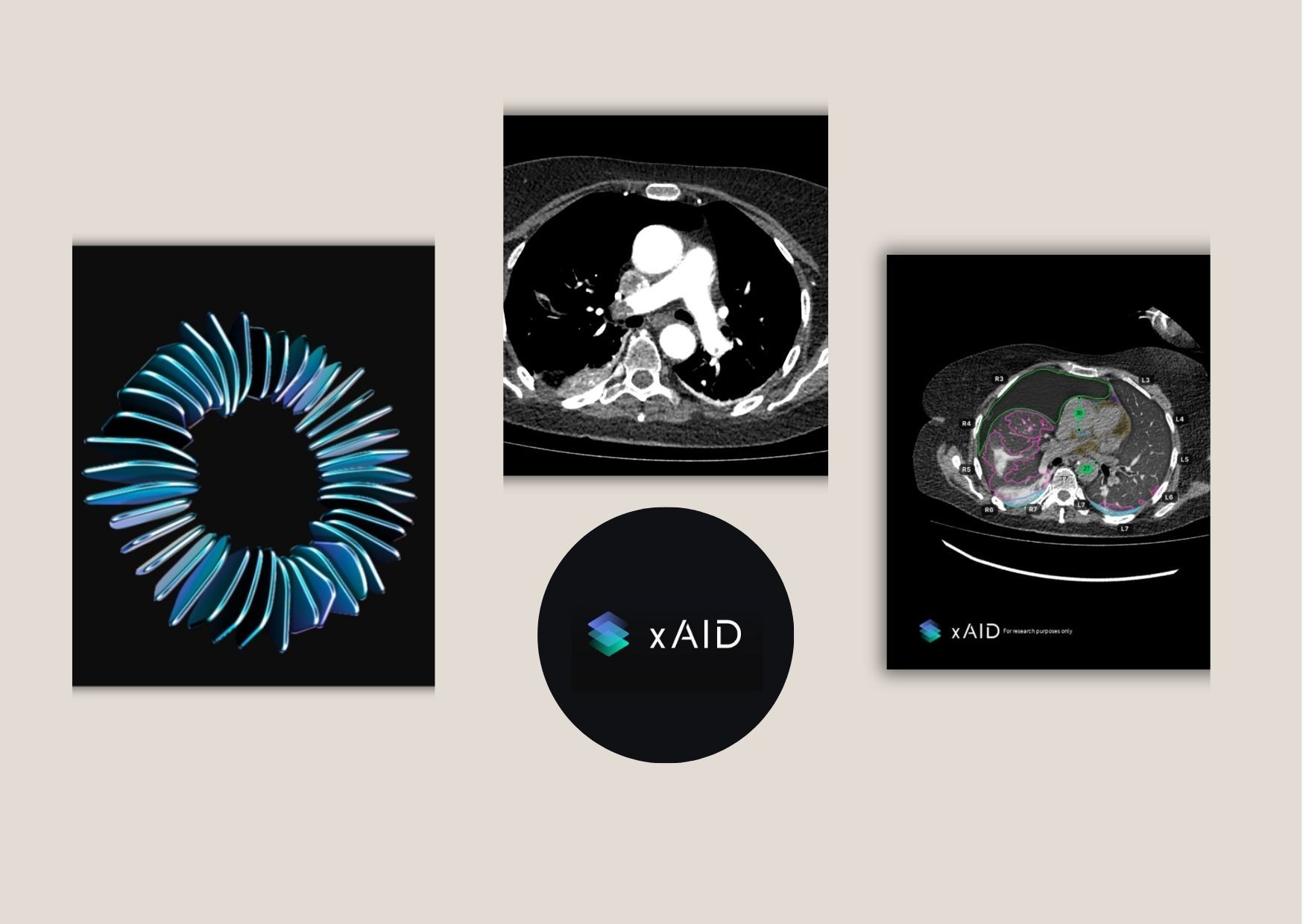
Brand discovery helps you select AI radiology solutions that are not only technically capable but operationally dependable. By emphasizing deployment patterns, governance maturity, and integration fit, you can evaluate vendors with fewer surprises and more clarity for your team. One example of a focused approach to implementation is xaid.ai, which provides AI radiology reporting technology for outpatient imaging centres and teleradiology providers handling head, chest, and abdomen CT studies. If you want a clearer path to faster diagnostic workflows, start by understanding how a brand delivers outcomes in settings like yours, then validate that the integration and monitoring are designed for real clinical operations. With the right discovery process, you can move from curiosity to confidence and choose a partner that supports radiology teams—not just algorithms.