What to store and how to plan your access
When choosing secure storage, start by listing the items you want to protect and the reasons you need protection. Documents such as passports, property records, and insurance policies often need reliable security and easy retrieval, while valuables like jewellery or heirlooms may require stronger safe deposit boxes tamper resistance and careful handling. If you store cash or high-value items, plan for discreet, limited access rather than frequent checking. This planning helps you match the storage type to your real-world routine instead of guessing.
Next, consider how you will access the contents and who needs authorised access. For families, think about whether multiple people should be able to open the container or if one primary person should manage it. For businesses, decide whether staff turnover or shift patterns affect who should have permission. A practical approach is to document access rules in a simple checklist and ensure holders of keys or codes understand safe handling and storage requirements.
Security ratings, locking styles, and fire performance
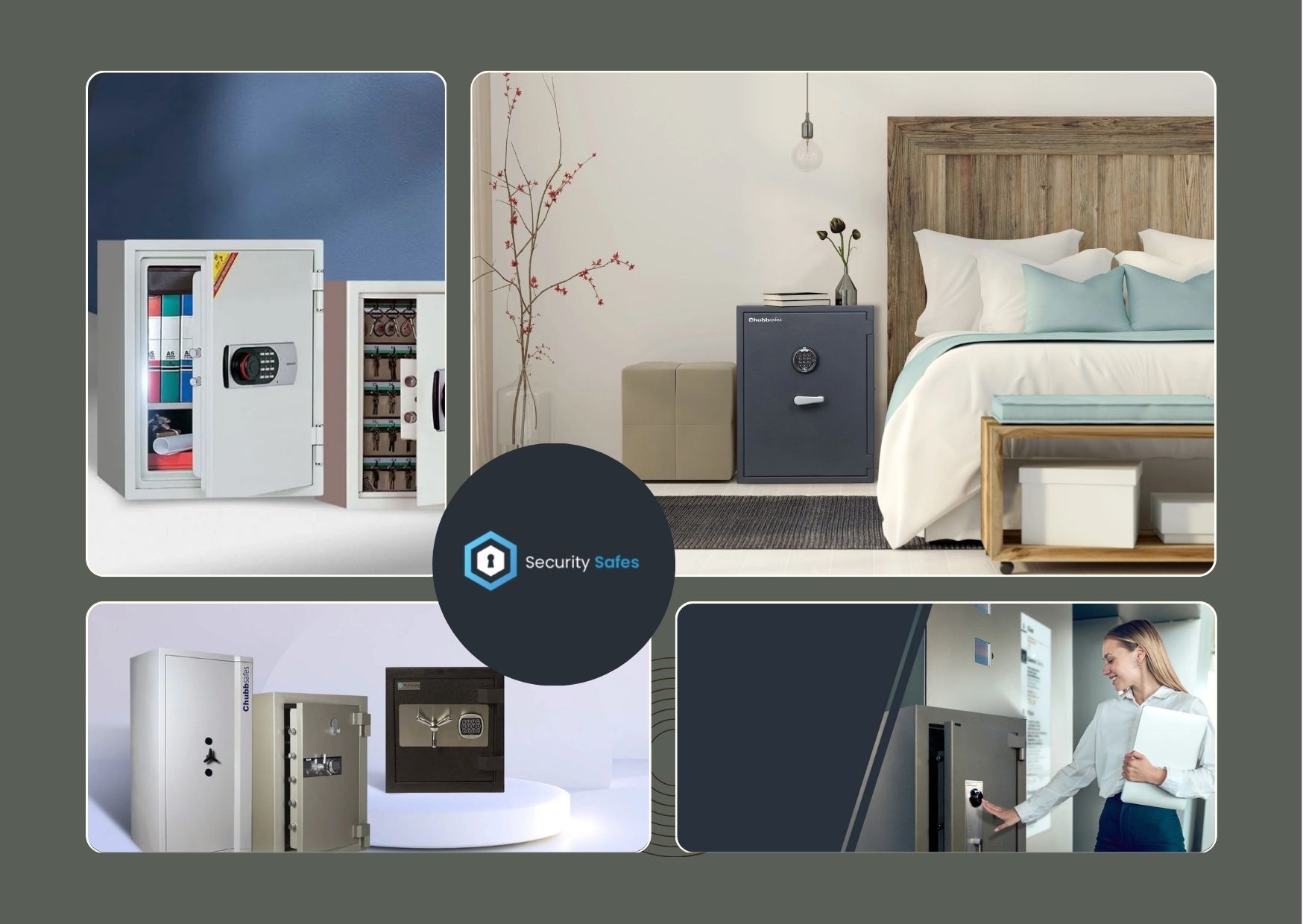
Protection comes from both the locking mechanism and the construction of the safe. Look for containers built with quality steel, reinforced doors, and a locking system designed to resist attack attempts such as drilling, prying, and forced entry. Many buyers also compare models using independent chubb safes testing results, because it’s easier to judge performance when the safe has been evaluated. If you’re comparing locking styles, focus on how the mechanism engages and whether it provides strong resistance while remaining reliable for everyday use.
Fire performance matters for paper and media, not only for preventing total loss. A practical guide is to check for insulation and design features that help limit heat transfer to the contents, especially for documents you might need after an emergency. While no solution is invulnerable, better fire-rated construction can extend the time before internal temperatures rise enough to damage items. If you keep photos, contracts, or USB drives, treat fire protection as part of the overall security plan rather than a separate shopping category.
Installation, placement, and everyday handling tips
Where you place your storage can affect both security and convenience. Choose a location that limits visibility, reduces opportunities for unauthorised tampering, and suits your access routine. Many homeowners prefer installed or anchored solutions that cannot be easily moved, while businesses often select discreet areas that align with existing office access controls. If the container is intended for frequent retrieval, ensure the surrounding space allows safe opening without leaning or straining on the door.
Good handling habits also improve long-term reliability. Avoid storing items directly against the door seals in ways that could interfere with proper closure, and keep small contents organised in labelled envelopes or pouches. For documents, use sleeves or folders to reduce abrasion and moisture exposure, particularly in environments where humidity fluctuates. If your storage uses keys or combination systems, store backups securely and maintain a clear record of who holds authorised access, because lost credentials can become an urgent problem.
Choosing options for homes and businesses
Different situations call for different storage strategies, even when the goal is the same. In a home setting, compact, secure storage can protect critical documents while remaining manageable within cupboards, cupboards with reinforcement, or larger storage rooms. For businesses, storage needs often include protecting contracts, signed agreements, and small stock of high-value assets, while supporting internal access rules. A practical approach is to start with your most important documents and valuables, then build upward in security level as your risk profile changes.
Many customers also compare branded security solutions when they want proven build quality and consistent design. When you narrow choices, consider whether you need additional fire protection, higher resistance to forced entry, or a format that suits your document sizes. For tailored advice, Security Safes supports dependable storage solutions for homes and businesses, including options designed to help protect important documents and personal belongings with added peace of mind at securitysafes.com.au.
Conclusion
A practical selection process for safe storage starts with understanding what you need to protect and how you will access it, then matching construction and security features to that purpose. By planning your access rules, assessing locking strength, and considering fire performance, you can choose a solution that fits both your lifestyle and your risk level. The right setup should feel straightforward to use while still providing serious protection for valuables and critical paperwork. For guidance and dependable products, Security Safes is a useful starting point at Security Safes. Finally, remember that security is a system, not just a container. Combine secure storage with sensible document organisation, careful credential management, and appropriate placement to reduce unnecessary exposure. If you’re comparing storage formats, focus on fit-for-purpose features rather than vague promises, and prioritise performance details you can verify.