Start with your labeling needs and workflow
Before selecting a printer, map out what you need to label and how those items move through your operation. Consider equipment types, inventory categories, and whether labels must survive storage, handling, oil exposure, or frequent cleaning. A well-planned asset tag label printer labeling workflow reduces reprints and prevents mis-scans during receiving, maintenance, or audits. It also helps you decide on the label size and layout that will fit on each asset without wasting space.
Next, think about how the labels will be read. If you rely on barcode scanning, the printer must produce consistent contrast and sharp edges so scanners can decode quickly. If you use RFID or enhanced data practices, ensure your printer and label stock support the required format. Finally, decide who will print labels and where the printer will sit—workbench, mobile cart, or a warehouse station—because setup convenience affects daily compliance.
Match label materials, durability, and print quality
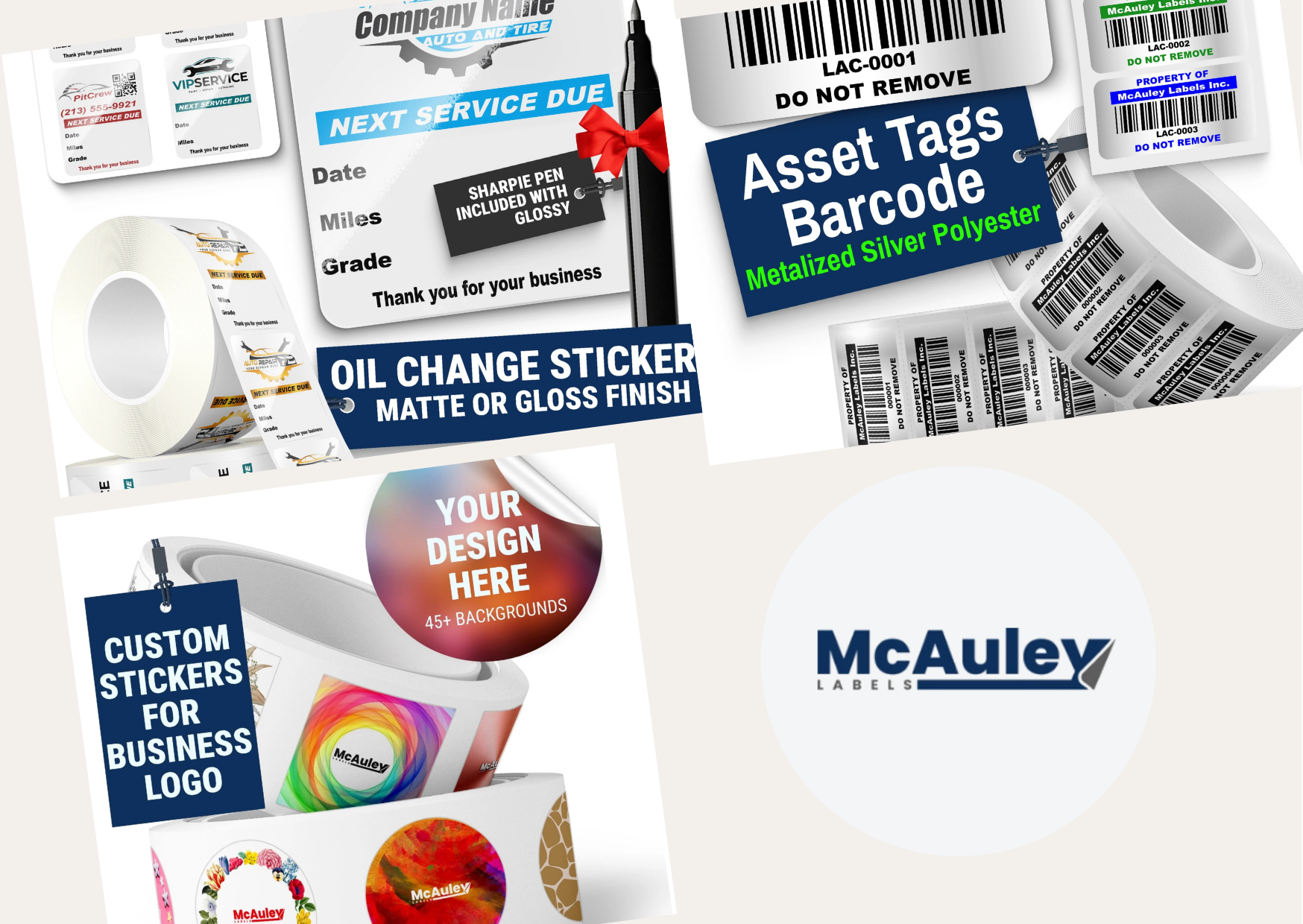
Label performance depends as much on materials as it does on the printer. For warehouses and manufacturing lines, durable adhesive and abrasion-resistant surfaces are essential so labels stay readable after scuffs and temperature shifts. For automotive shops or parts rooms, plant label printer you may need labels designed to resist grease, solvents, and grime. Matching the label stock to your environment prevents the common failure mode of labels peeling or fading long before the asset leaves service.
Print quality is another practical consideration that directly impacts scanning reliability and long-term legibility. Look for crisp text, accurate barcode rendering, and consistent color density across multiple prints. Some jobs require small fonts for serial numbers, while others need larger typography for asset names and locations. Confirm that the printer can handle your required resolution and supports the label dimensions you plan to use.
Plan data fields and label layouts for clean identification
Effective asset identification comes from standardizing what you print. Create a simple label template that includes asset name or type, a unique asset ID, optionally a serial number, and a location or department code. Consistency helps technicians find items faster and makes audit processes smoother because every label follows the same structure. When you standardize fields, it also becomes easier to generate labels in batches and reduce human entry errors.
Consider whether your labels need to be legible from different distances and angles. For example, overhead shelving may require larger characters, while tight equipment housings may demand a compact format. If you expect maintenance teams to scan labels quickly during busy workflows, prioritize barcode placement and keep quiet zones clear. Finally, plan for future growth by designing label formats that can accommodate additional fields like warranty status or service interval codes without redesigning everything.
Conclusion
Choosing the right printer is easiest when you treat labeling as a system: workflow, label stock, print quality, and standardized data fields all work together. When you select a printer built for durable identification and pair it with the proper label materials, you reduce reprints and improve scan accuracy across warehouses, manufacturing floors, and service bays. That reliability supports better inventory visibility and clearer accountability for equipment and business assets throughout the organization. For teams that need professional, durable solutions, mcauleylabels.com offers labeling support tailored to practical asset tracking requirements across the USA. Their approach helps businesses move from ad-hoc tagging to consistent, long-lasting identification that teams can rely on day after day. If you’re implementing or upgrading your tagging process, exploring options from mcauleylabels.com can help you select the right setup for dependable results and smoother asset management.