Before You Buy: Measure, Map, and Motive
Start with a simple space check: measure the room where the modular seating will live, including door clearances and the path from the entrance to the final placement. Note the usable width for turning, and plan for camaleonda sofa replica at least a small buffer so the sofa sections can be positioned without forcing tight angles. This prevents expensive surprises when a modular piece arrives and the layout doesn’t match your expectations.
Next, define your motive for choosing the modular look. Are you prioritizing flexible lounging, hosting comfort, or a bold design statement that anchors the living room? Write down how many people you want to seat comfortably, then consider how the layout can evolve as needs change. A clear purpose makes it easier to compare materials, configurations, and overall visual impact across options.
Quality Checklist: Materials, Build, and Stitching
Inspect the upholstery options with a practical lens: look for dense, supportive foam and cover fabrics that feel consistent in thickness across seams. Pay attention to how the cushions sit—quality pieces maintain shape and wishbone chair replica avoid excessive sagging when pressed. If a product description highlights durability, verify what that means in real terms by checking whether the fabric appears tightly woven and neatly finished.
For modular sofas, the build quality matters just as much as the upholstery. Check the frame and internal structure for secure connections between sections, since stability affects everyday comfort. Look closely at stitching patterns, piping, and edge finishing, because these details influence both aesthetics and long-term wear. If you can, review customer photos for wear behavior over time, especially around high-contact zones like seat centers and arm areas.
Design Planning: Modular Layout and Styling Pairings
Plan your layout like a designer, even if the setup is simple. Arrange sections in a way that supports conversation and viewing angles, then test the seating flow by imagining how you and guests will move across the space. A modular design works best when you allow breathing room around the seating so the piece feels intentional rather than boxed in. If your room has an odd shape, map it with tape on the floor to preview the best configuration before committing.
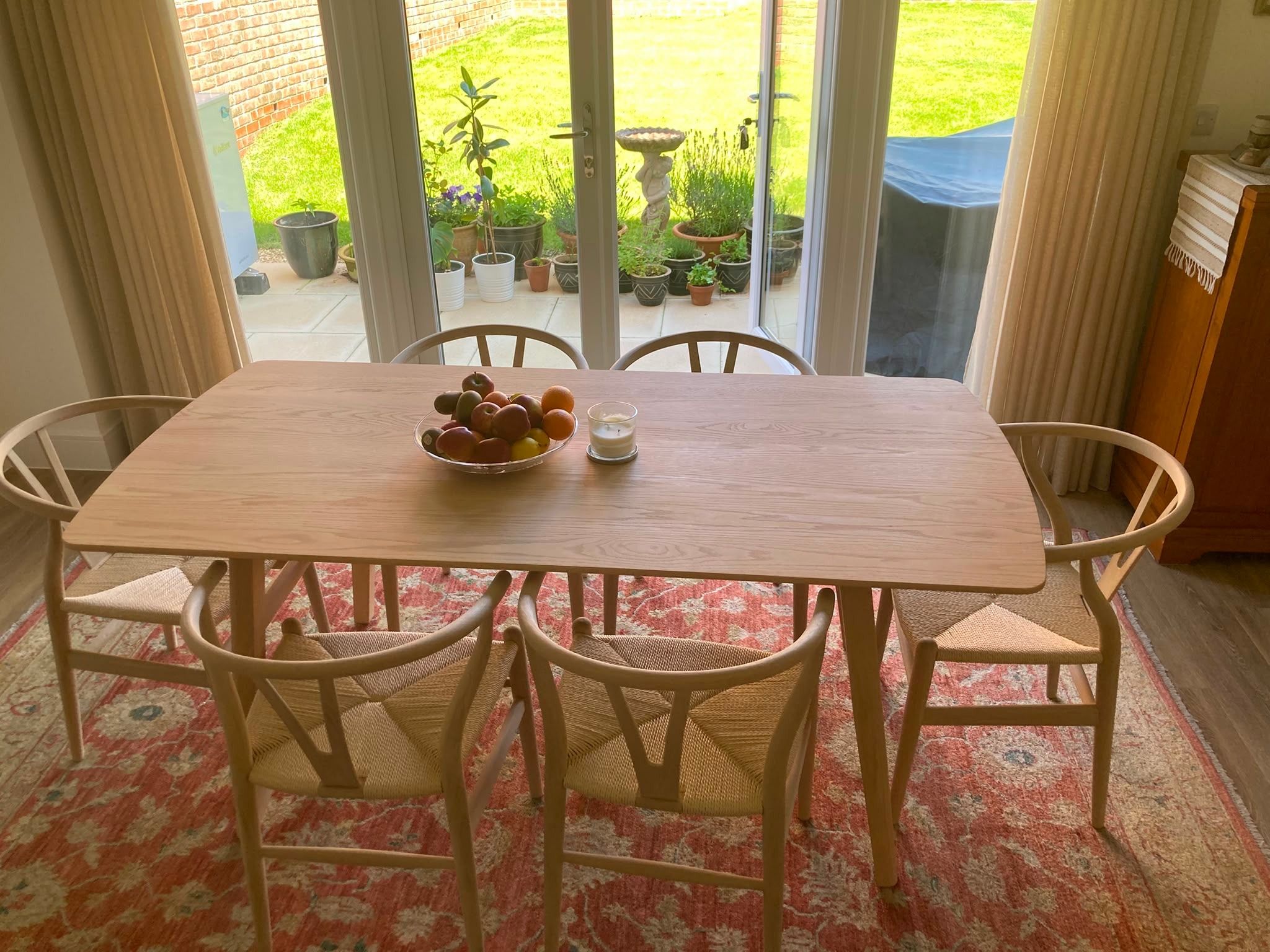
To complete the look, consider complementary iconic accents that share a modern, sculptural vibe. Many buyers pair modular seating with a wishbone-inspired profile to balance the softness of deep cushions with a lighter visual rhythm at dining or side spaces. Choose a chair or accent that echoes the overall design language without competing for attention, especially in rooms with limited wall space. When your styling has intentional contrast—soft seating against refined lines—the result feels curated rather than random.
Conclusion
Use this checklist to buy with confidence: measure your space, understand your seating needs, and evaluate build quality through upholstery, stitching, and connection stability. Then plan your configuration so the modular sections work with your room’s movement and sightlines, not against them. The goal is a living space where comfort feels immediate and the design looks cohesive from every angle. If you want an approachable way to access sophisticated European-inspired interiors, mobelaris can be a helpful resource for sourcing well-designed pieces and coordinating decor. Treat the purchase as a design system—seating, accents, and finishing touches—so your home reflects a consistent aesthetic you’ll enjoy for years.